Recent Post
The Thrill of Pushing Your Luck Past Safe Probability Limits ...
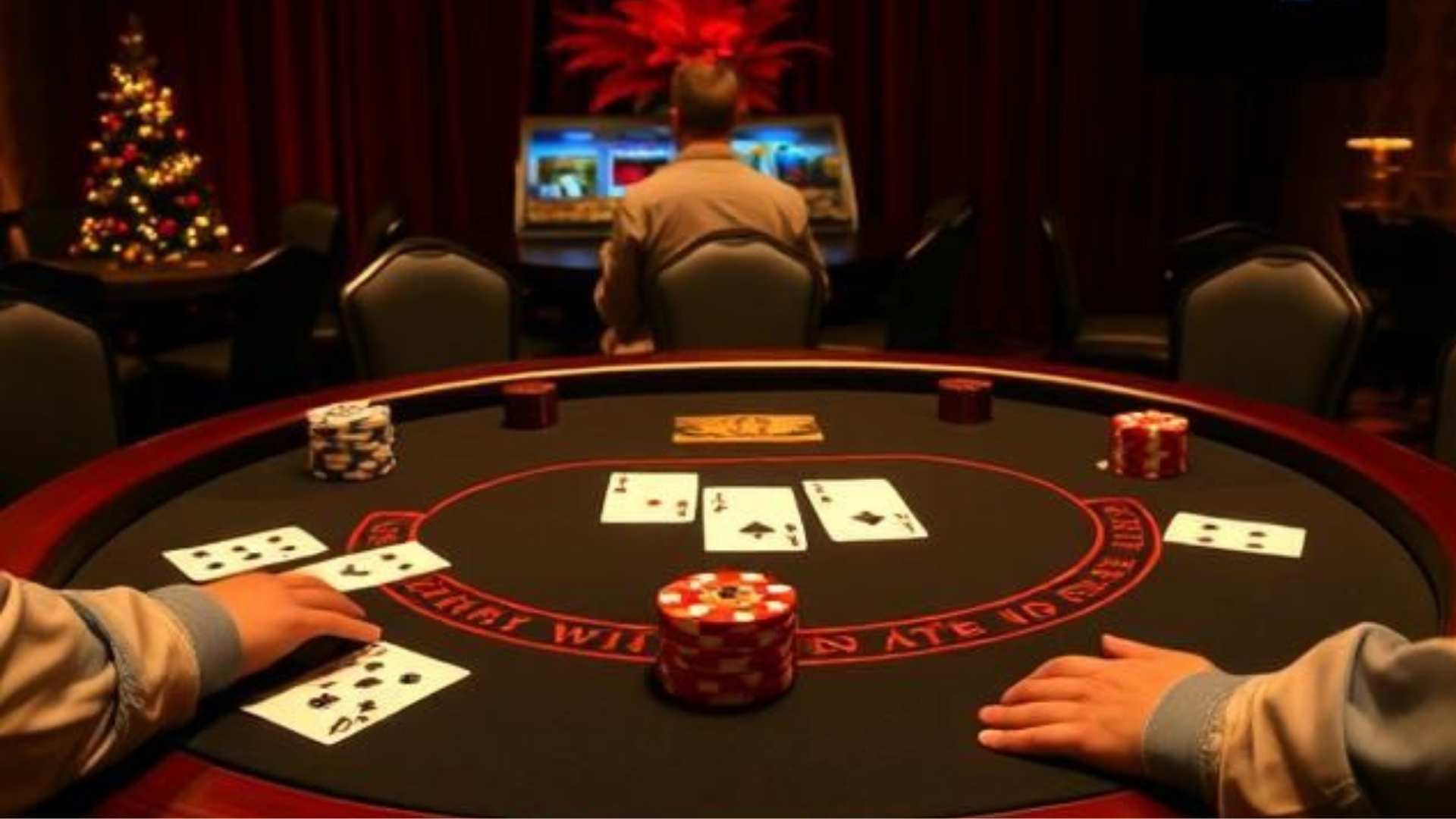
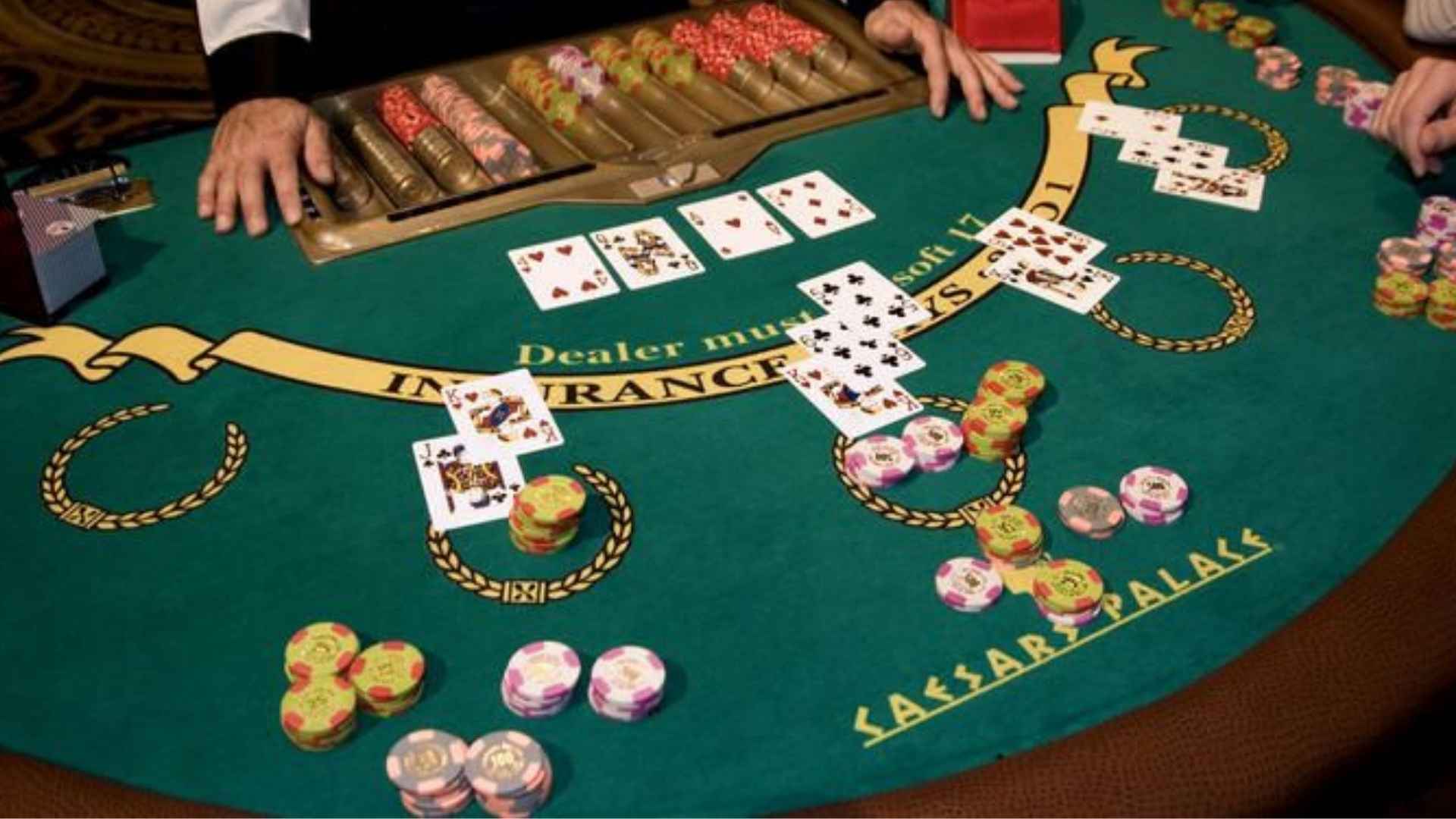
In both modern game design and strategic decision-making, few concepts capture the human imagination quite like pushing one's luck beyond reasonable statistical safety. Whether rolling dice in a tense tabletop match or making bold tactical choices in digital environments, the tension between mathematical odds and emotional drive creates unforgettable gaming moments. Understanding why players deliberately choose uncertainty over safe outcomes provides fascinating insights into game mechanics and human behavior.
The Psychology Behind Taking Extreme Risks
The thrill of ignoring safe probability stems from the psychological reward system triggered during moments of acute suspense. When a player stands at a crossroads where logic dictates stopping, the potential for a massive payout often outweighs the quiet safety of moderate gains. This emotional surge is precisely what makes push-your-luck mechanics so compelling across diverse gaming genres.
Behavioral economists often note that humans tend to overestimate small odds when the perceived reward carries high psychological value. In game design, this creates a dynamic environment where calculated risk competes constantly with reckless ambition. The anticipation preceding the final outcome produces a dopamine response that keeps participants engaged turn after turn.
Mathematical Boundaries versus Player Intuition
Every probability-based game operates on a mathematical framework that dictates long-term expected value. Safe statistical limits are easy to define on paper, but real-time strategic decisions are rarely made in a purely rational vacuum. Factors like trailing scores, opponent positioning, and remaining game rounds heavily alter a player's willingness to cross those safe thresholds.
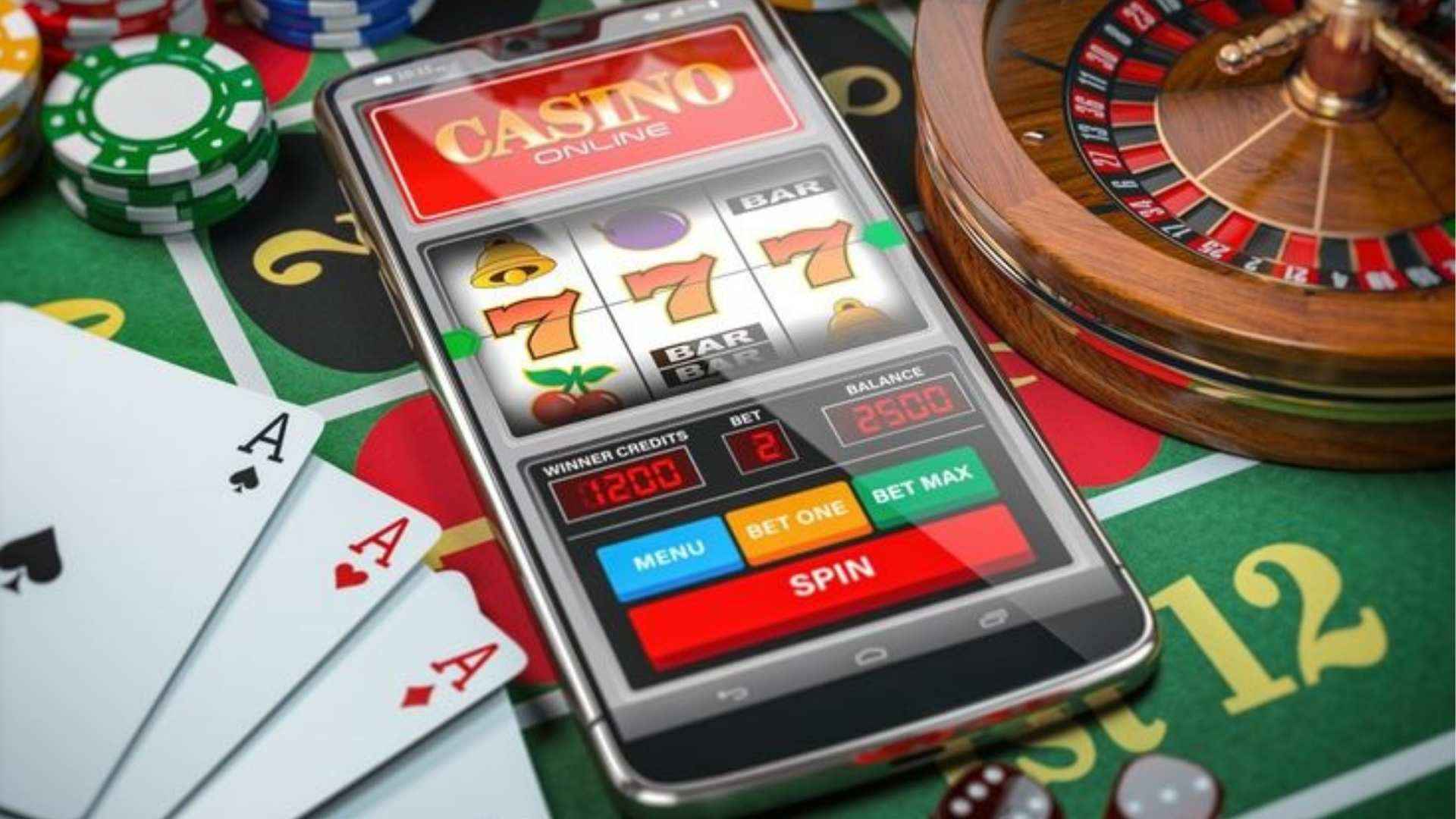
For instance, players exploring strategic opportunities on platforms like m88 casino frequently balance calculated mathematical odds with intuitive judgment under pressure. When standard plays guarantee defeat, stepping outside statistical comfort zones becomes a necessary strategy rather than mere recklessness. This delicate balance between raw odds and situational necessity defines high-level gaming choices.
Designing Balanced Push Your Luck Mechanics
Game developers carefully calibrate risk-reward structures to ensure that crossing probability safety limits feels meaningful rather than completely random. If the punishment for failure is too severe, players default to conservative strategies that flatten the game's excitement. Conversely, if penalties are trivial, decisions lack dramatic weight and genuine stakes.
Effective designs incorporate escalating rewards that mirror the compounding risk of each additional attempt. By clearly presenting the diminishing odds of success, games empower players to take full responsibility for their choices. This agency transforms a simple mathematical roll into a personal trial of courage and foresight.
Lessons from Overextending Beyond Safe Odds
Experiencing failure after exceeding probability limits offers valuable insights into risk management and personal decision-making limits. Strategic mastery requires knowing not only how to calculate expected outcomes, but also how to cope with unfavorable variance when bold moves backfire. Gamers who analyze their missteps learn to distinguish between sound strategic risks and unforced errors.
Ultimately, the thrill of pushing past statistical boundaries remains a defining element of interactive entertainment. While mathematical safety ensures steady, predictable progress, it is the occasional leap into calculated uncertainty that creates triumphant victories and memorable stories around the gaming table.

Best Gaming Websites in The World ...
Gaming Website List
For gamers seeking the ultimate destination to stay updated on the latest releases, industry scoops, and in-depth reviews, platforms like IGN, GameSpot, and Polygon stand out as the absolute best gaming news websites on the internet. These trusted hubs deliver everything from breaking news and hardware analysis to exclusive gameplay previews and vibrant community forums, ensuring that enthusiasts never miss a beat in the rapidly evolving world of interactive entertainment.